
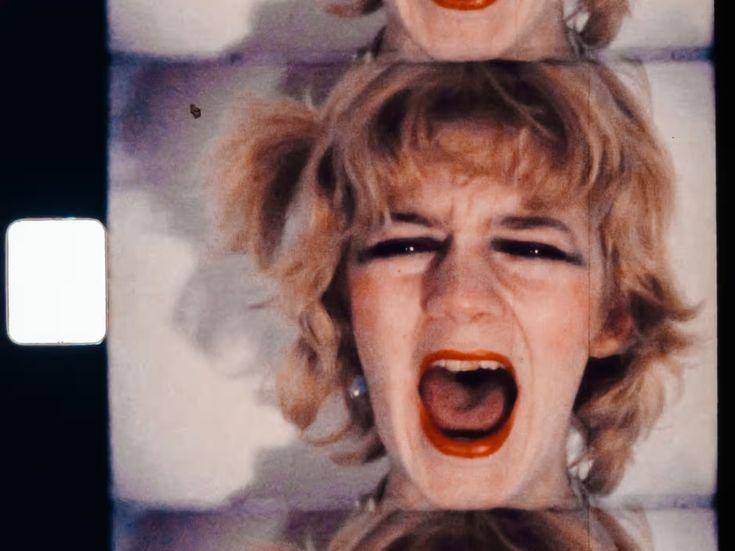
On a symbolic level, the act of screaming embodies the anxiety and anguish inherent in the human condition. Yet for women, it acquires further dimensions, evoking agitation, exhaustion, and rebellion. At MAG The Women Gallery, we endeavor to explore this phenomenon within women’s art and to illustrate how it has consistently served as a powerful means of protest.
A unifying element that binds the entire cause:
“The scream in my work is used as an expulsion of emotion and it’s never defined whether this emotion is good or not …I intentionally make the faces ambiguously contorted so it’s hard to know the exact feeling.” – Elsa Rouy
Guttural screaming, much like childbirth, has featured in numerous artworks by women artists since the mid-20th century. From Marina Abramović and Yoko Ono to Tracey Emin, the scream emerges as a sound rendered visible, awaiting to be heard and prompting audiences to reflect on the consequences of normalizing women’s suffering in art history.
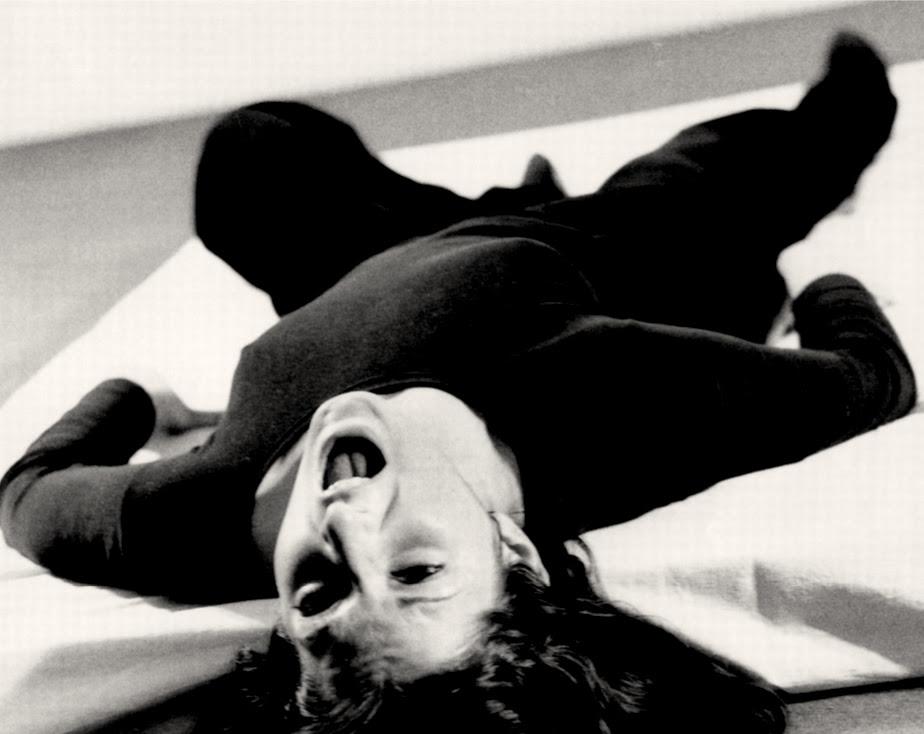
Marina Abramovic, Freeing the voice (1976)
Marina Abramović harnessed the scream as an instrument of rebellion across her diverse body of work. In her early performance piece, Freeing the Voice (1976), she screamed continuously for three hours until her voice was utterly exhausted, releasing a full, unbridled scream, as if nothing remained confined within her. Abramović characterized this act as a cleansing for both mind and body, underscoring the importance of engaging in such a riotous expression. In 2013, her collaborative performance works The Screamed, conceived as a homage to Munch, saw her and 270 Oslo citizens scream aloud in front of Ekeberg Park.
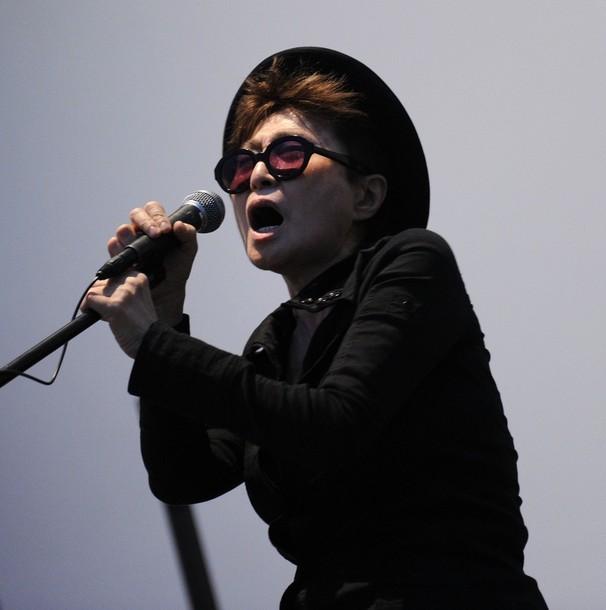
Yoko Ono “Instruction Painting: Voice Piece for Soprano” (2010)
Yoko Ono has similarly integrated screaming into the gallery space, inviting audience participation. Her 1961 work, “Instruction Painting: Voice Piece for Soprano”, revived in 2010 at MoMA, featured a microphone and speakers that allowed visitors to unleash three screams directed at “the wind, the wall, and the sky.” Extreme vocal expression also plays a significant role in her music; for instance, her 1981 song “No, No, No” opens with a scream accompanied by the sound of four gunshots, a powerful response to John Lennon’s assassination.
Who is Screaming in the Museum? Exhibitions of Women Artists Illustrating the Struggle for Freedom
Screaming can be an act of emotional futility. When all other options have run out, it can also signify a rallying cry, calling others to bear witness to struggles that run riot in the internal and external worlds.
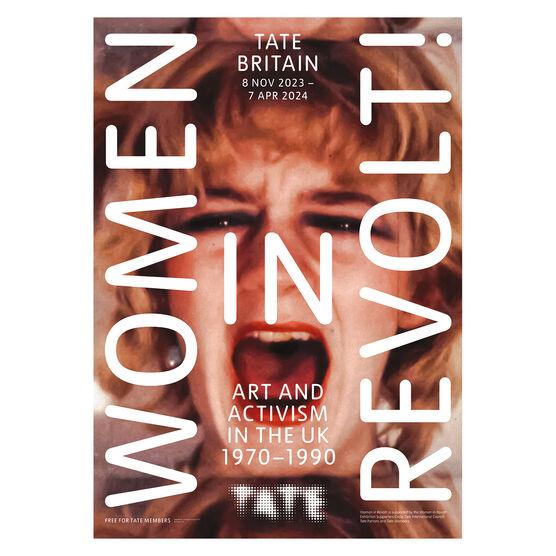
Women in Revolt! was Tate Britain’s first attempt to survey feminist art with any real depth and seriousness, focusing on context and the collective spirit emerging under constrained circumstances. It was about incitement, agitation, and protest.
Many of the works had not been exhibited since the 1970s, yet they remained strikingly relevant. The gallery emphasized that these pieces served as a powerful reminder of how fiercely women fought for their rights, for their freedom, and for the ability to express themselves both individually and collectively.
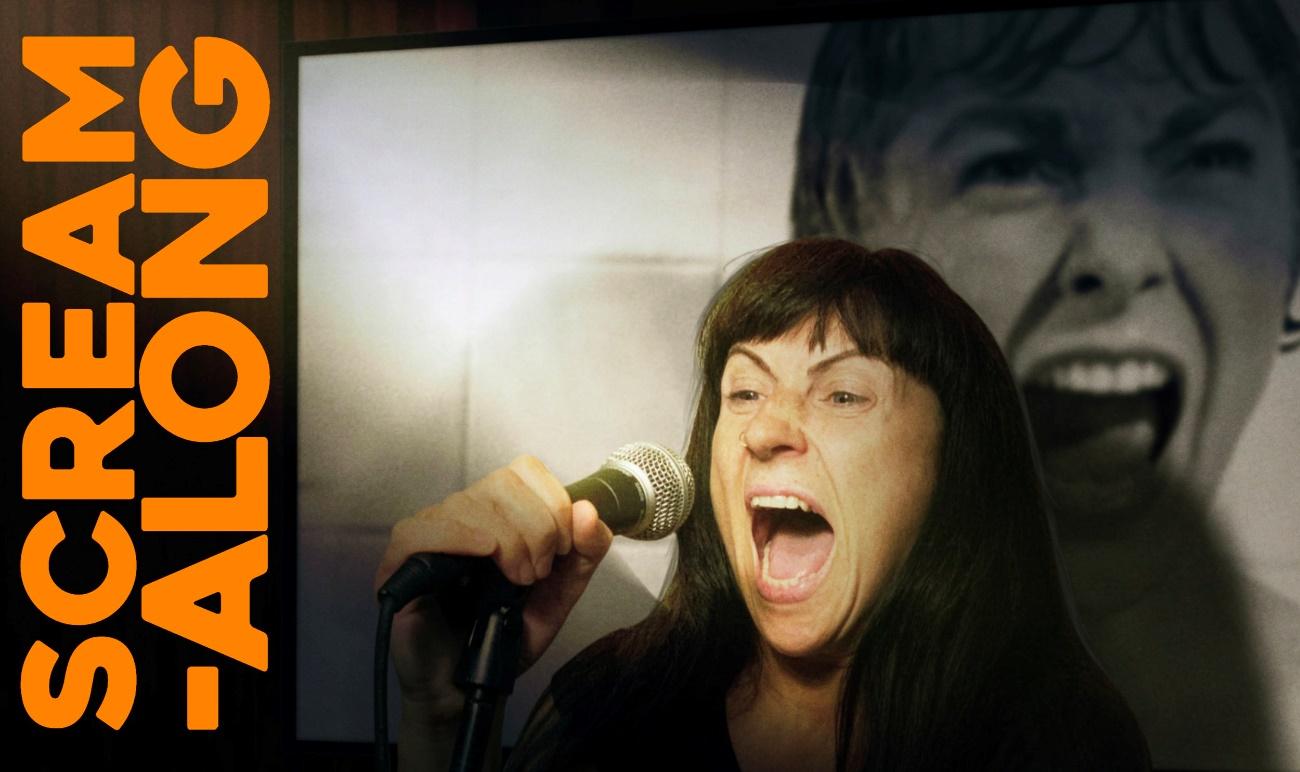
Although Women in Revolt! has concluded at Tate Britain, several current exhibitions by female artists continue to amplify the spirit of rebellion and artistic innovation. British conceptual artist Saskia Takens-Milne will host a “Scream-Along” in London as part of Women’s History Month, until March 31, transforming The Bohemians hair salon in Deptford into a speakeasy-style karaoke bar.
“Scream-Along” is an immersive participatory installation that allows visitors to “step inside” movies and explore how they manipulate and embed cultural norms. The work highlights the omnipresence of women’s suffering in film, giving participants the chance to take the place of the continually terrorized actors while the audience looks on. This provides an opportunity to reflect on the consequences of our societal obsession with portraying women’s pain as entertainment.
This macabre theater of performed female agony draws a direct line between our fascination with on-screen violence against women and the epidemic of male violence against women.
To this day, women continue to shoulder the greatest burden of domestic labor while earning lower wages. Furthermore, indifference and a society deeply rooted in patriarchal norms often overlook the everyday violence experienced by many women. The exhibitions and artistic projects highlighted seeking to challenge our perspectives, reigniting the fight, advocating for equality, and confronting injustices head-on.
Sources:
Women in Revolt! Review – Orgasm, punk, protests and one long scream – The Guardian
Why Women Artist use Screams to express Female Rage: Artsy
Saskia Takens Milne: Scream Along
Británicas revoltosas que unieron arte y activismo de 1970 a 1990 – Página 12