Colosse 20 (2023)
2.650,00€ (VAT included)
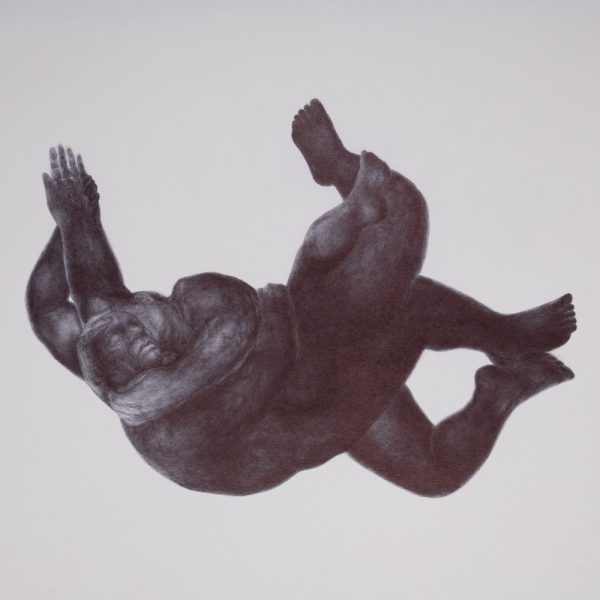
Stylo a billes pilote sur papier
Art Style: Ballpoint Pilote pen on paper
Dimensions: 65x50cm 25,6×19,7in
Reference: P006
Artwork video available on demand.
1 in stock
Description
Description
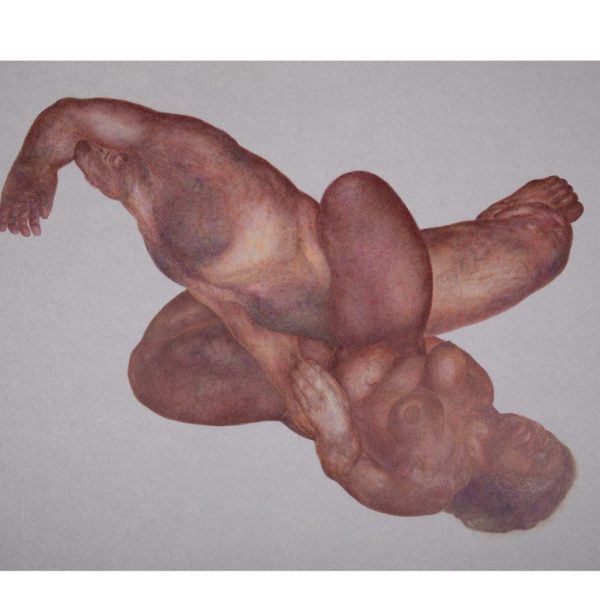
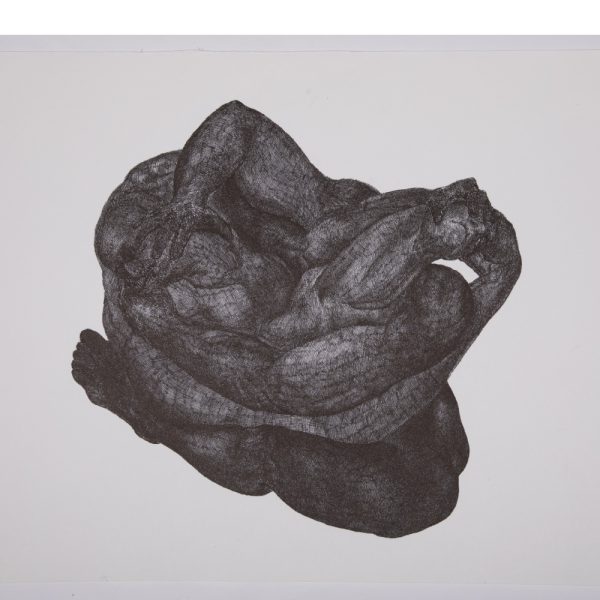
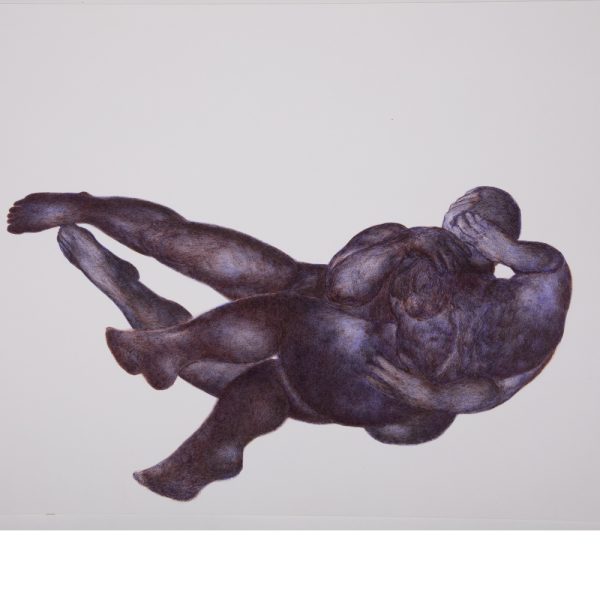
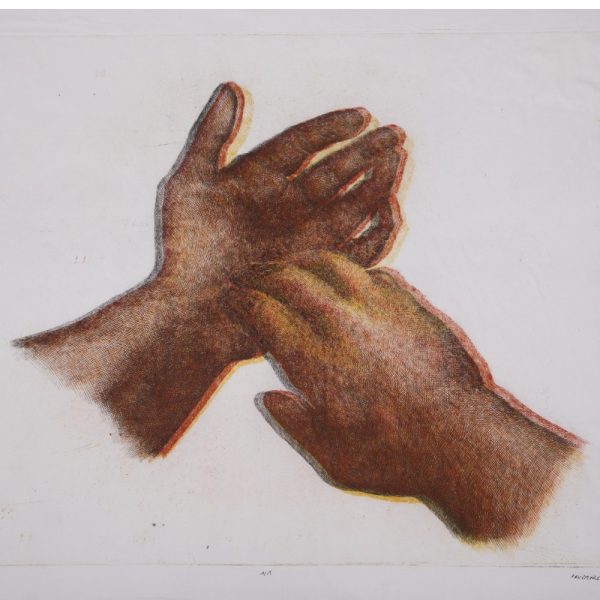
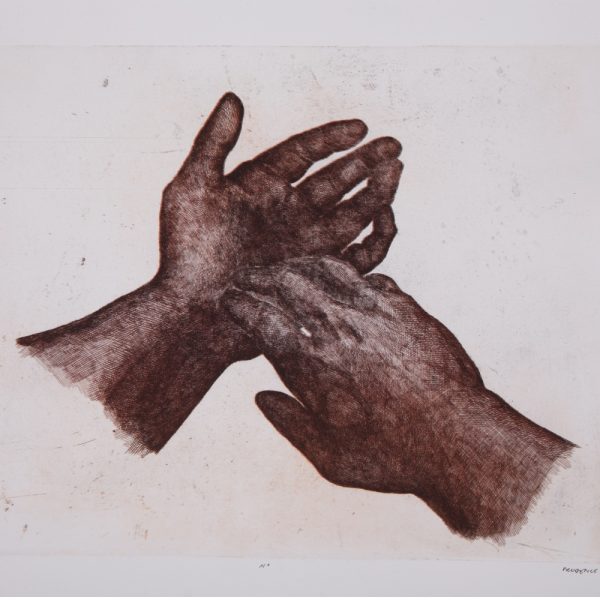
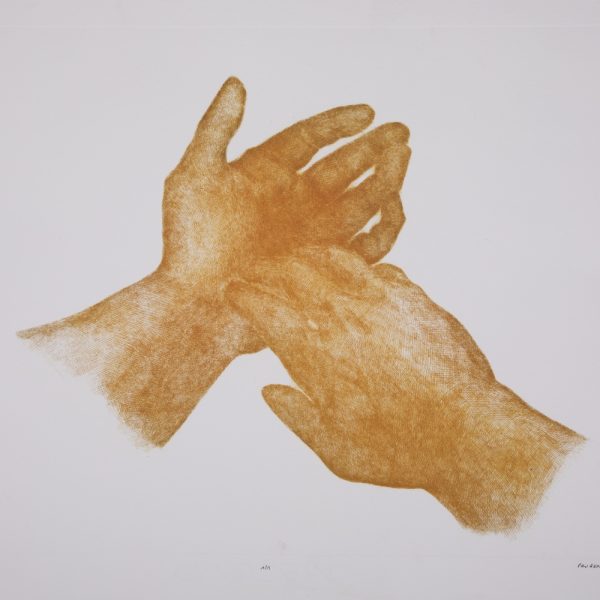
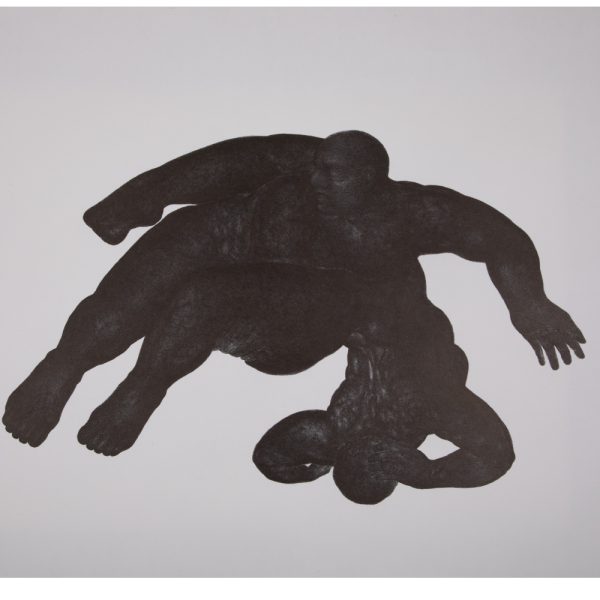
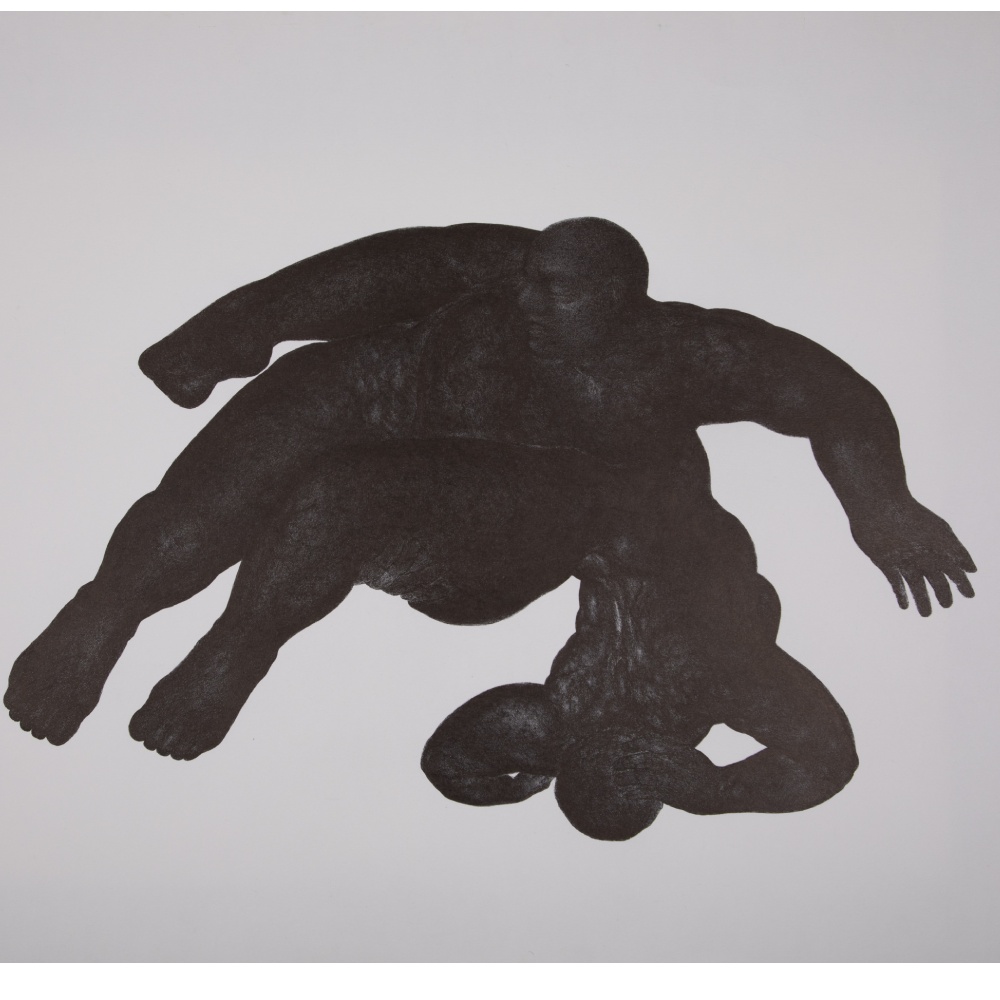
Executed in Pilot ballpoint pen on paper, Colosse 20 (65 × 50 cm / 25.6 × 19.7 in) presents a powerful human figure suspended in a state of dynamic imbalance. Emerging from a dense accumulation of dark pen strokes, the body appears to float beyond the constraints of gravity, occupying the pictorial space with both monumental weight and unexpected fluidity. The figure’s unusual orientation challenges conventional perceptions of the body, inviting viewers to reconsider notions of stability, movement, and physical presence.
The composition is characterized by a striking interplay of mass and motion. Limbs extend outward while the torso folds and twists, creating a complex arrangement that suggests transformation rather than fixed identity. The body seems caught between ascent and descent, tension and release, conveying a sense of perpetual becoming. This ambiguity lends the work a psychological dimension, transforming the figure into a metaphor for resilience, adaptation, and the uncertainties of human experience.
As in the broader Colosse series, Prudence explores the human body as a contemporary monument. The title, Colosse 20, evokes the grandeur traditionally associated with colossal forms, yet the artist shifts the focus from external power to internal experience. The figure’s imposing presence is balanced by its vulnerability, revealing the body as a site of memory, emotion, and personal history.
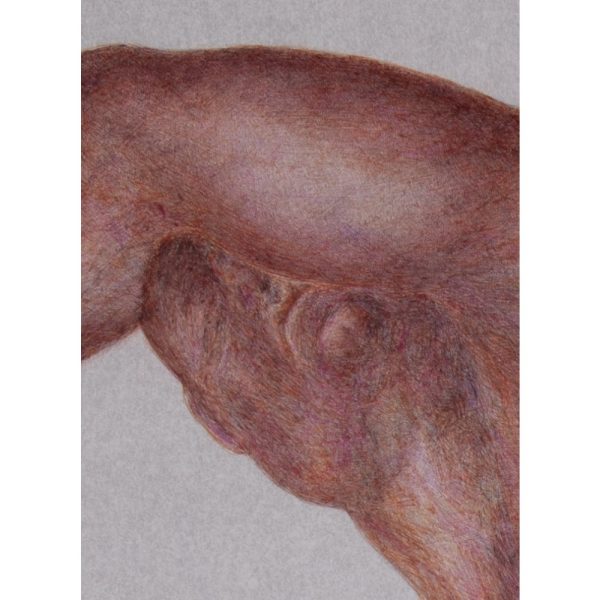
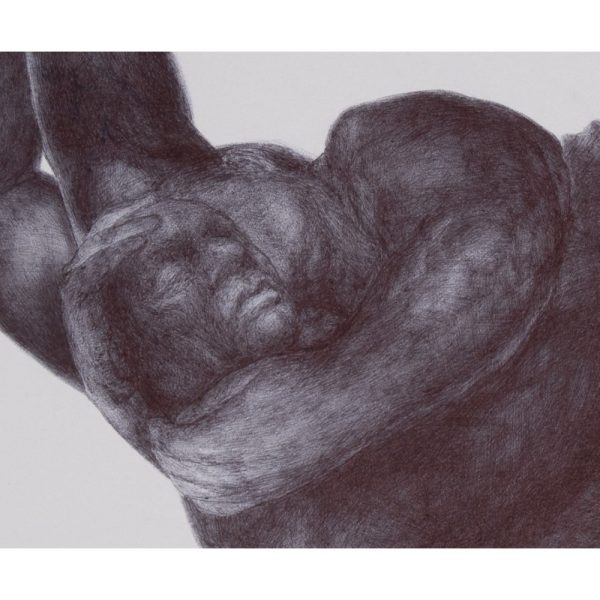
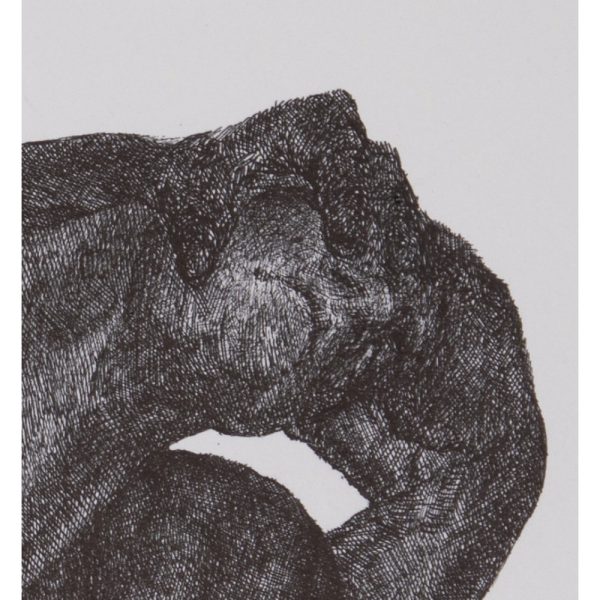
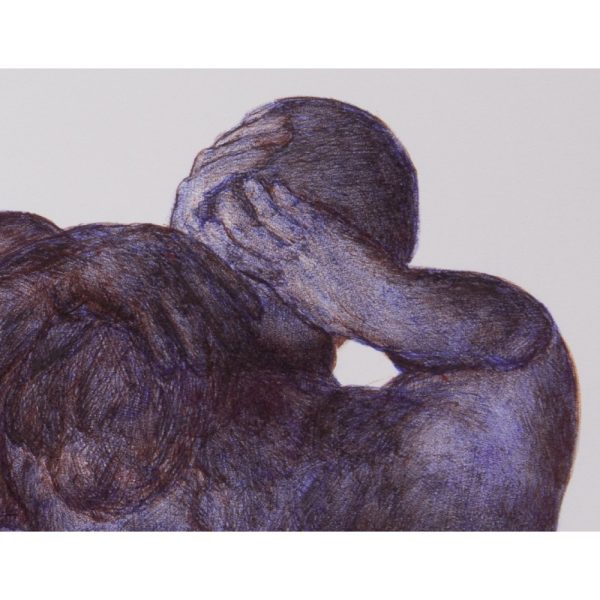
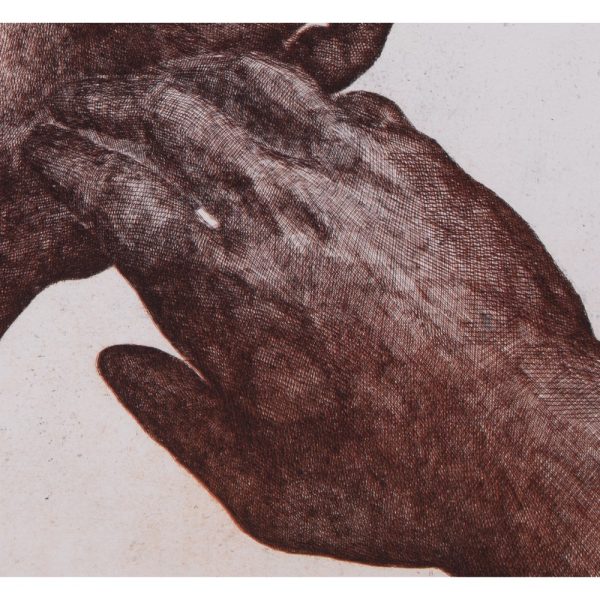
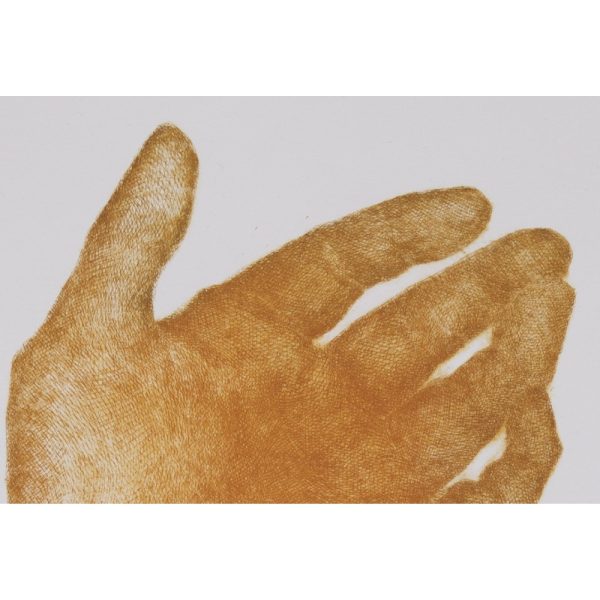
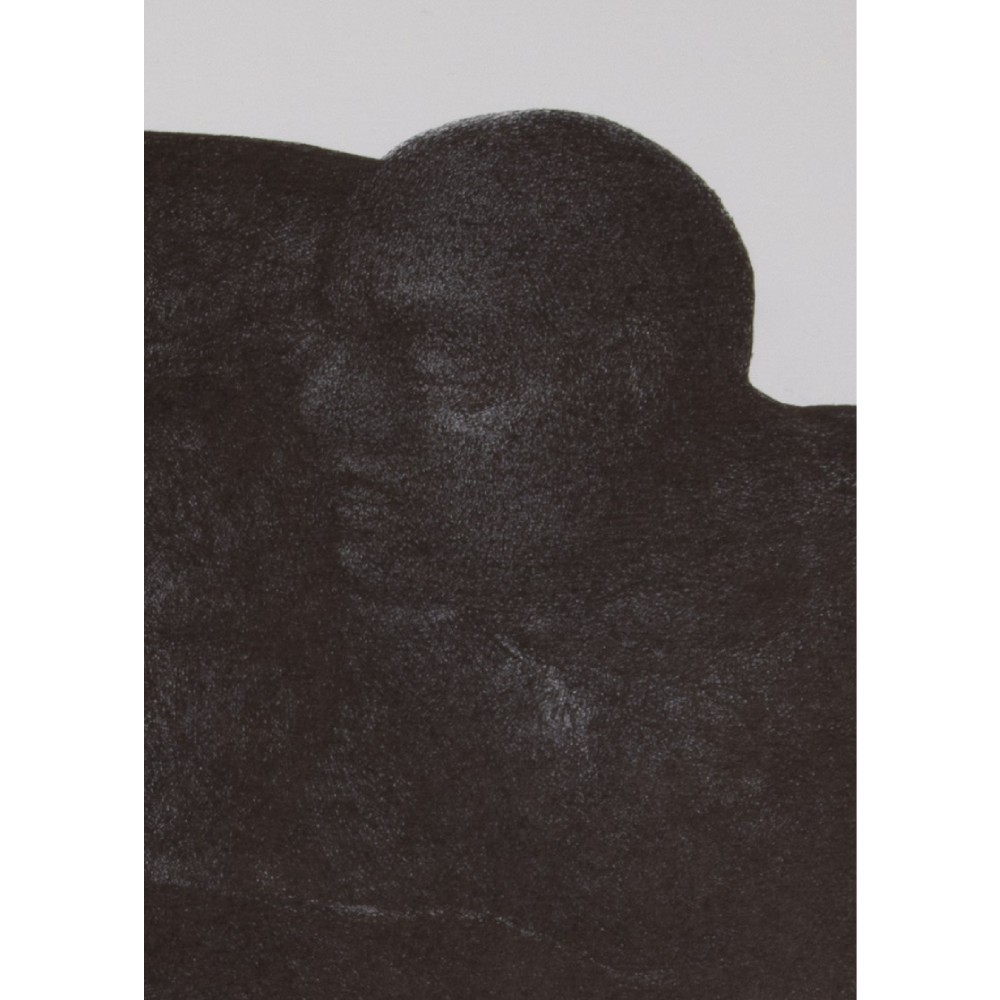
The use of the Pilot ballpoint pen is integral to the work’s visual language. Through countless layered lines, Prudence creates subtle tonal variations that model volume and depth while preserving the immediacy of drawing. The accumulation of marks gives the figure a sculptural quality, as though it has been carved from shadow and light rather than drawn on paper.
In Colosse 20, the body becomes both subject and landscape—a complex form that embodies strength, fragility, and transformation. The work invites contemplation of the ways in which human beings navigate physical and emotional challenges, presenting monumentality not as dominance, but as the enduring capacity to persist, adapt, and evolve.