Cathédrale de Seville (Noir)1992
4.200,00€ (VAT included)
Medium: Tirage argentique rehausse couleurs, vernis / Silver gelatin Painted, varnished
Dimensions: 50x40cm, 19,7×15,7in
Reference: EL006
Description
Description
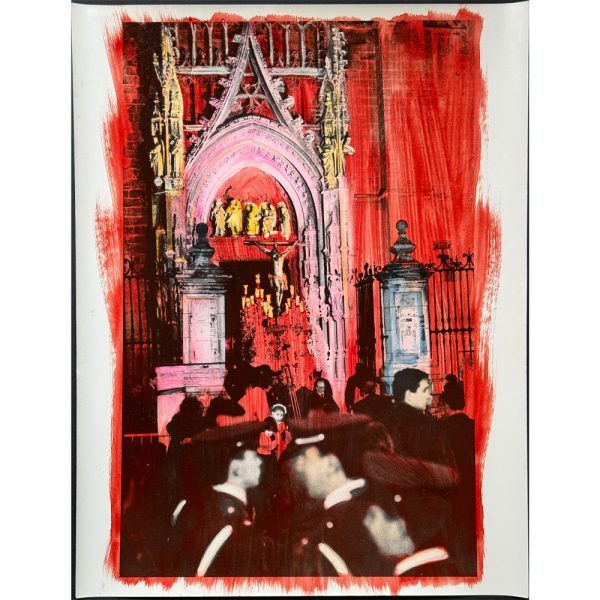
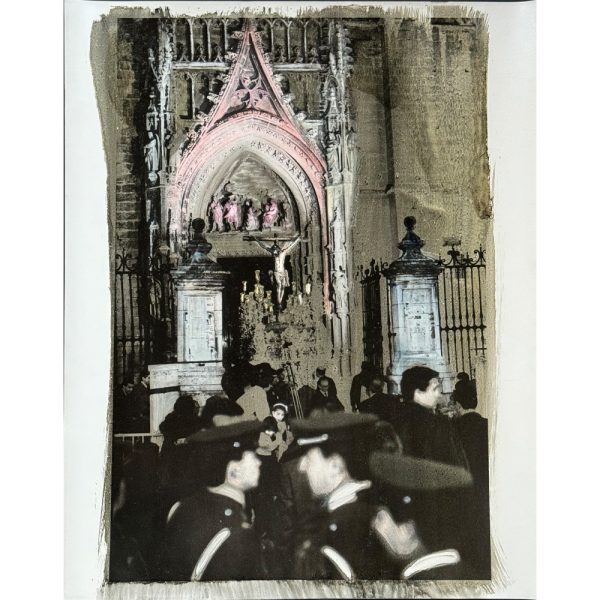
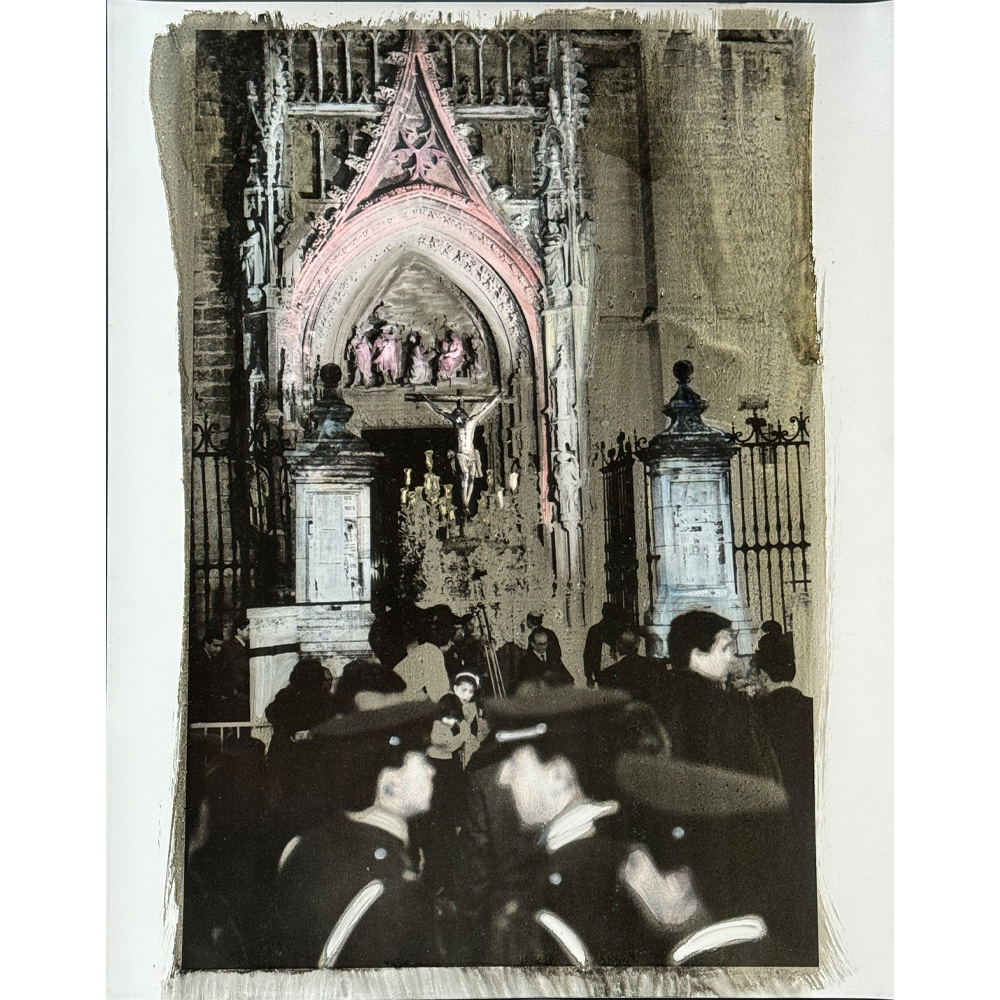
This artwork, titled Cathédrale de Seville (Noir), is a 1992 piece by Elizabeth Lennard, created using a silver gelatin photographic process that has been enhanced with hand-painting and varnish. The photograph, measuring 19.7 by 15.7 inches, captures a moment at the grand entrance of Seville’s cathedral. The hand-painting and varnish bring texture and depth to the piece, transforming the monochromatic base into something more dynamic and layered.
The image portrays the cathedral’s intricate Gothic architecture, with its pointed arches and sculptural details of saints and religious figures highlighted by soft touches of pink and muted tones. The center of the composition focuses on the grand portal of the cathedral, with its ornate stonework and religious statuary, including a crucifix prominently displayed in the lower center of the frame. Above, smaller statues, also touched by soft color, seem to emerge from the architectural backdrop, lending a spiritual presence to the scene.
In the foreground, there is a crowd of figures—some in uniform—blurred in motion, creating a sense of activity and life around this religious site. Among them, a small child stands out clearly, drawing attention amidst the otherwise indistinct figures. The movement of the crowd contrasts with the static, timeless nature of the cathedral’s architecture, capturing a fleeting moment within a place of permanence.
The tonal range of the photograph is muted and almost sepia-like, with the darkened hues adding a sense of mystery and gravitas. The hand-painted touches of pink in the architectural details and the figures bring a subtle yet significant contrast to the otherwise subdued palette, making these elements stand out against the muted background. The use of varnish gives the piece a glossy finish, enhancing the texture and creating depth that plays with the light.
Cathédrale de Seville (Noir) reflects both the grandeur and the solemnity of the cathedral, while also capturing a moment of human interaction within this historical and sacred space. The combination of photographic realism with painted details invites viewers to consider both the spiritual and the everyday aspects of the scene, blending history with a contemporary artistic approach.
More artworks by Elizabeth Lennard
-
-
-
-
-
-
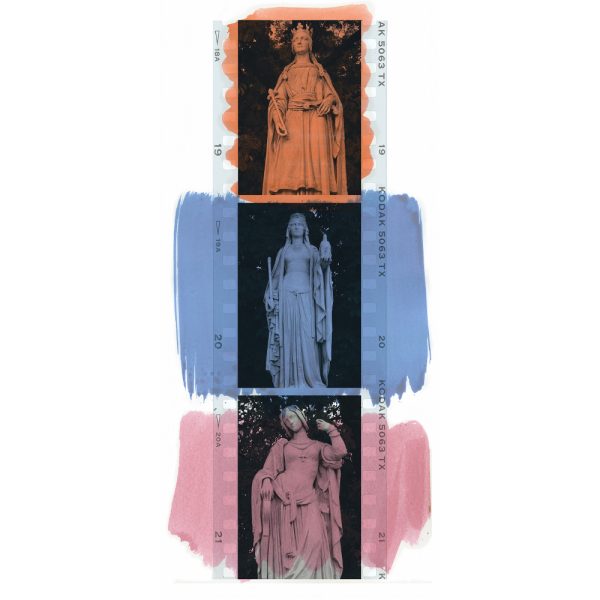
Jardin du Luxembourg, triptyque des reines (2019)
Elizabeth Lennard
1.950,00€ (VAT included)70x33cm
-
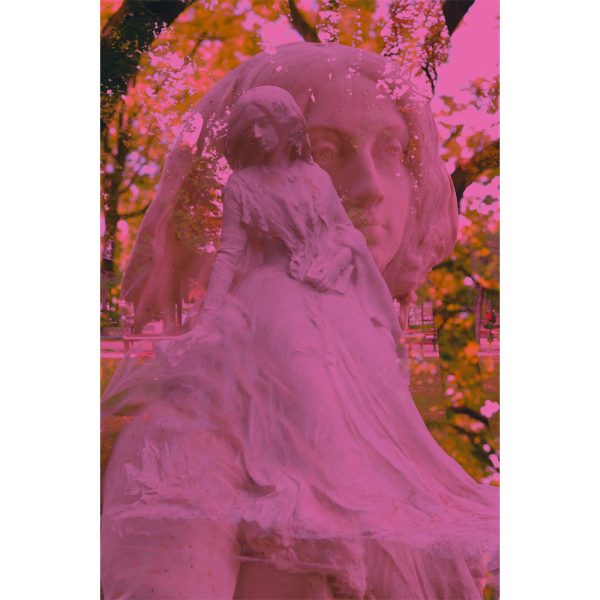
George Sand , double exposition, Jardin du Luxembourg (2019)
Elizabeth Lennard
1.950,00€ (VAT included)70x47cm
-