Victoire de Samothrace
950,00€ (VAT included)
Art Style: Acrylics on paper
Dimensions: 21x30cm 8x12in
Reference: LO-005
1 in stock
Description
Description
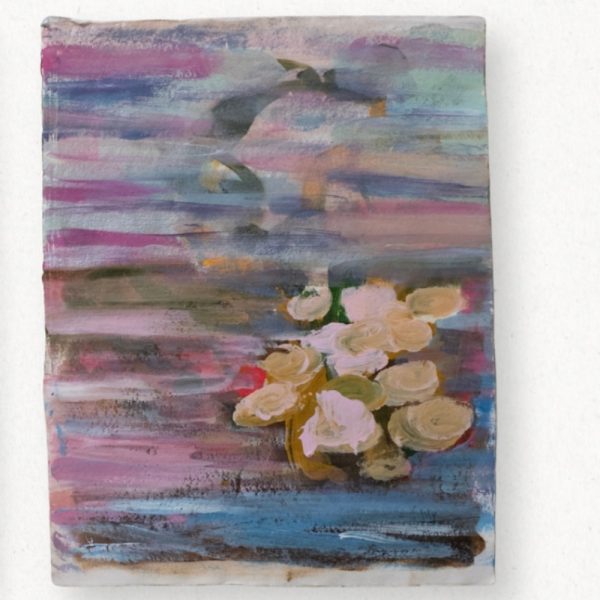
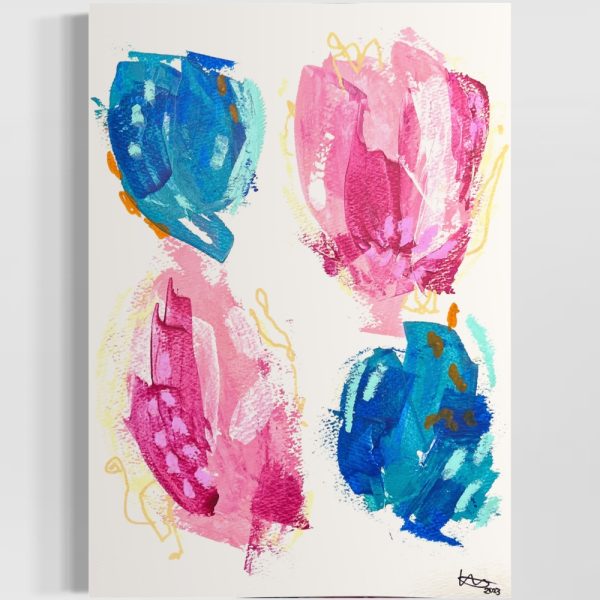
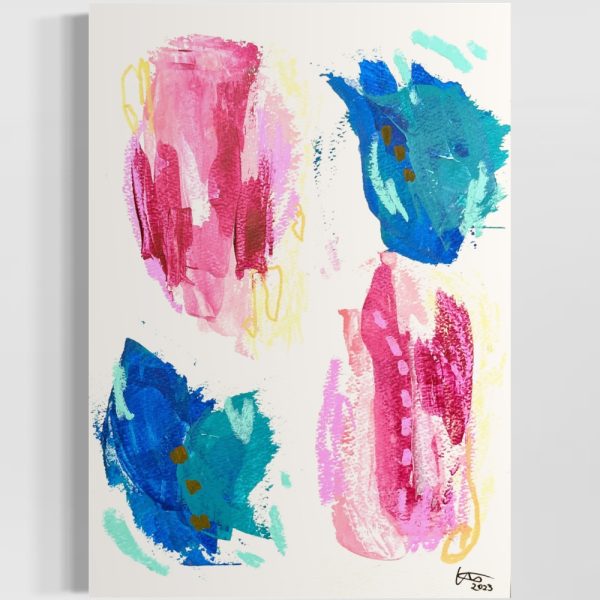
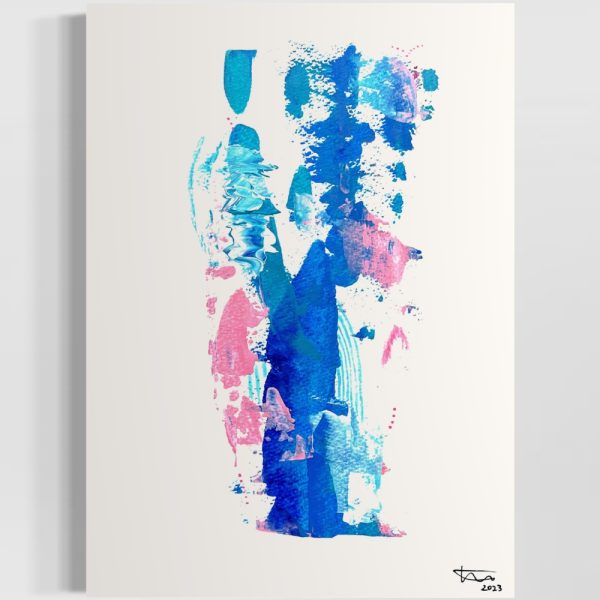
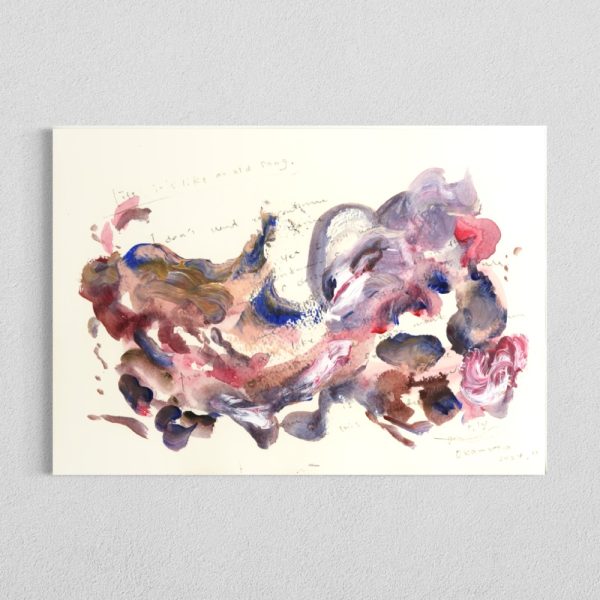
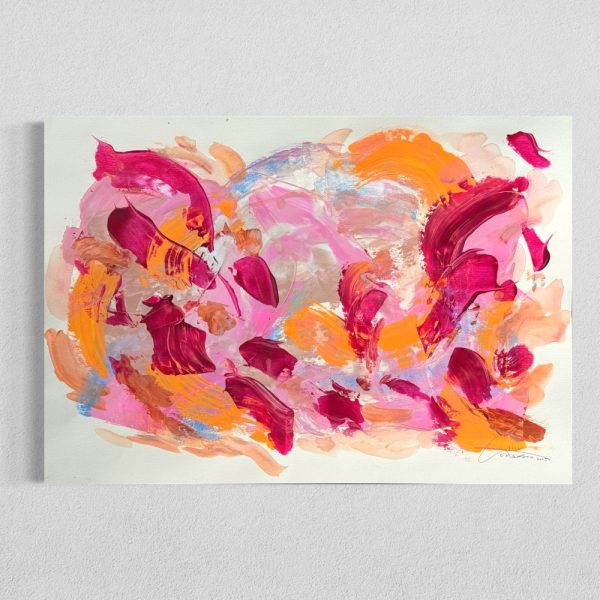
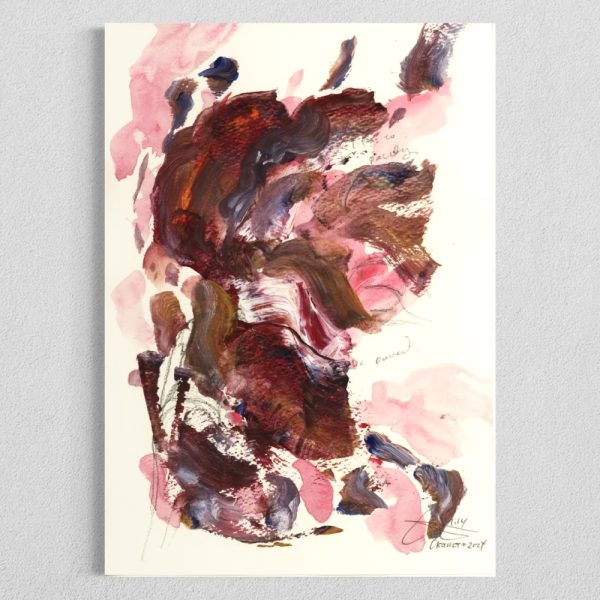
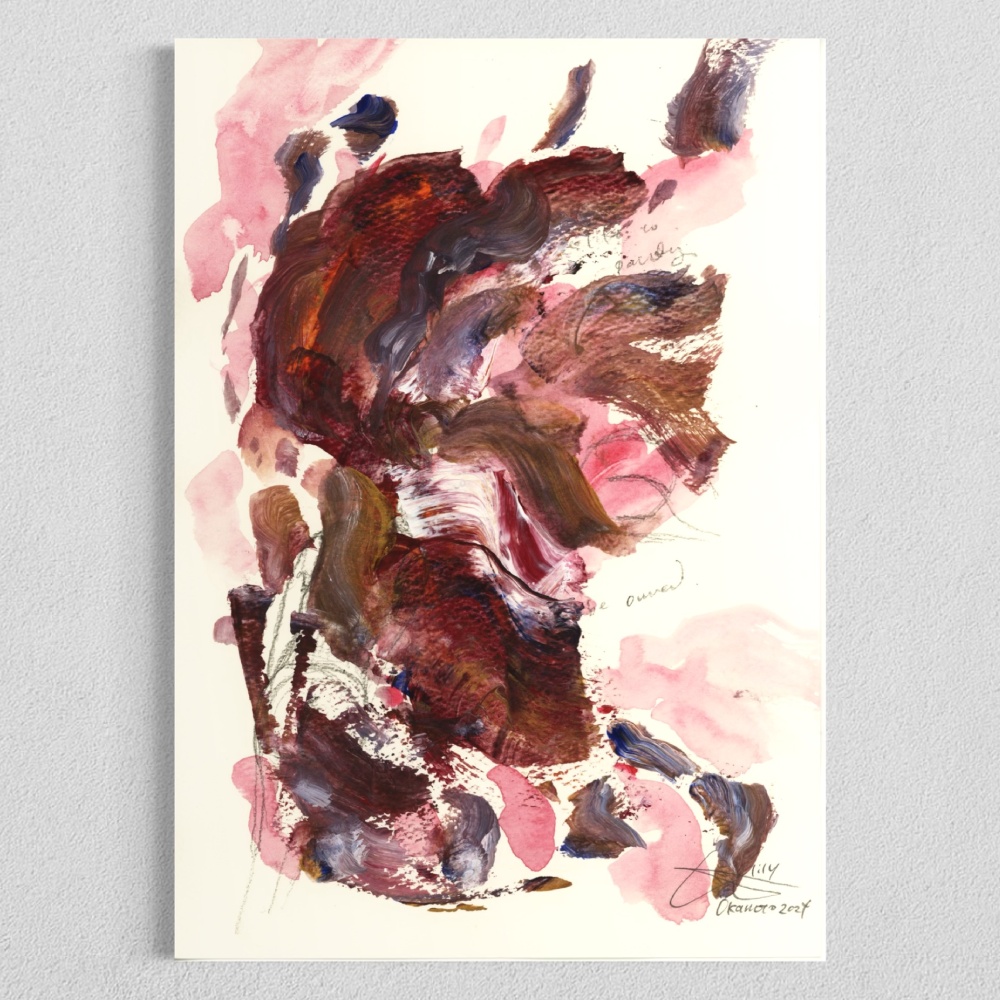
Victoire de Samothrace by Lily Okamoto (2024) is an expressive and dynamic acrylic painting on paper that channels movement, drama, and emotional richness. At 21 × 30 cm (8 × 12 in), the work unfolds with a vibrant intensity that echoes its title — a reference to the famed ancient sculpture Winged Victory of Samothrace — while retaining a distinctly fluid, painterly language.
Across the surface, bold, sweeping brushstrokes combine deep reds, rich purples, warm pinks, and hints of brown and white, creating a swirling composition that seems to pulse with kinetic energy. The marks move in layered arcs and gestures, suggesting both ascent and open motion — reminiscent of wings in flight or a figure captured mid-emergence. These brushstrokes carry a sense of immediacy and physical presence, as though the painting itself breathes and shifts before the viewer.
The color palette — warm and resonant — evokes a range of emotional states: from passion and intensity to gentle reflection. Areas of thicker paint contrast with softer, more diluted passages, creating a textured depth that invites closer viewing. The layering of colors and strokes feels intuitive and alive, emphasizing the artist’s embrace of spontaneity and expressive freedom.
Delicate traces of handwritten text appear faintly within the composition, barely legible beneath the swaths of pigment. These textual fragments add a layer of narrative mystery and intimacy, suggesting inner dialogue or poetic thought intertwined with visual form. They enhance the work’s feeling of layered meaning, as if the painting is both a visual and conceptual meditation.
White space around the painted area gives the composition breathing room, allowing the vibrant forms to assert themselves without confinement. This openness enhances the sense of movement and creates a dynamic interplay between presence and absence.
Overall, Victoire de Samothrace resonates as a lyrical abstraction that bridges emotion and gesture. Through energetic brushwork, layered color, and subtle textual elements, Lily Okamoto has crafted a piece that feels both powerful and introspective — a visual tribute to movement, spirit, and the enduring resonance of artistic form.